
How to Create a Simple Weekly Meal Plan for Stress-Free Eating
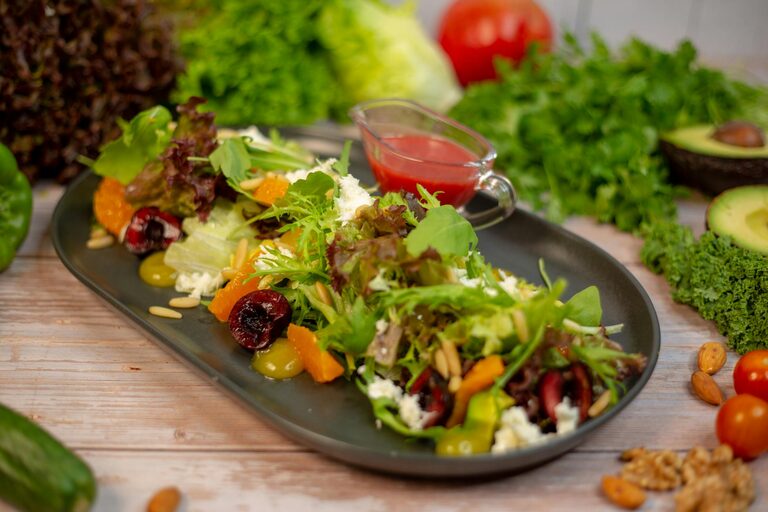
Planning your meals for the week can seem overwhelming at first, but with a simple and clear approach, it becomes an enjoyable and effective way to eat healthier, save money, and cut down on last-minute stress. Whether you’re a busy professional, a parent juggling many tasks, or someone just wanting to eat more mindfully, creating a weekly meal plan will help you stay organized and enjoy your food more.
In this post, we’ll walk you through easy-to-follow steps to create a simple weekly meal plan that fits your lifestyle. Let’s get started!
Why Create a Weekly Meal Plan?
Before diving in, it’s good to understand the benefits of meal planning:
– Saves time and reduces stress by knowing exactly what to cook each day.
– Helps maintain a balanced diet by planning diverse and nutritious meals.
– Cuts food waste by shopping only what you need.
– Saves money through careful grocery shopping and less take-out.
– Supports your personal goals such as eating healthier, losing weight, or sticking to a budget.
Step 1: Assess Your Week
Start by looking at your schedule. Ask yourself:
– How many meals will you need to prepare?
– Do you have busy days when cooking time might be limited?
– Will you eat out or have social meals planned?
– What leftovers can you use and when?
Knowing your commitments helps plan meals that are realistic for your lifestyle.
Step 2: Choose Your Meals
Plan for Breakfast, Lunch, and Dinner—or Just the Ones You Need
Depending on your needs, decide which meals you want to plan. For many people, breakfast and dinner are the easiest to plan ahead, while lunch might be packed from leftovers or bought out if preferred.
Keep It Simple
Start with simple, familiar meals you enjoy. Here are ideas for each meal:
– Breakfast: Oatmeal with fruit, smoothies, yogurt with granola, scrambled eggs.
– Lunch: Sandwiches, salads with protein, leftovers from dinner.
– Dinner: Grilled chicken with veggies, pasta dishes, stir-fries, soups.
Include Variety but Not Too Much
You want enough variation to avoid boredom but not so many different dishes that shopping becomes complicated.
Step 3: Write Your Meal Plan
Use a printable planner, a notes app, or a whiteboard—whatever works best for you. Divide a page into days of the week and list each meal.
Sample Weekly Dinner Plan
| Day | Dinner |
|———–|——————————–|
| Monday | Spaghetti with marinara sauce |
| Tuesday | Grilled chicken and salad |
| Wednesday | Vegetable stir-fry with rice |
| Thursday | Baked salmon with quinoa |
| Friday | Homemade pizza |
| Saturday | Soup and sandwiches |
| Sunday | Roast chicken with potatoes |
Step 4: Make Your Grocery List
Once your meals are set, list all ingredients you will need. Group them by category (produce, dairy, protein, pantry) to make shopping easier. Check your pantry and fridge before shopping to avoid buying items you already have.
Step 5: Prep What You Can
Meal prep doesn’t have to mean cooking everything at once. Here are simple prep ideas:
– Chop vegetables ahead to save time on cooking days.
– Cook grains or proteins in bulk to use throughout the week.
– Portion snacks in advance.
Even 10-15 minutes of prep can make a big difference during busy evenings.
Tips for Success
– Be flexible: It’s okay if you switch meals or eat leftovers on a different day.
– Use theme nights: E.g., Meatless Monday, Taco Tuesday—to simplify choices.
– Involve your family: Get everyone’s input on meals to increase enthusiasm.
– Keep staples on hand: Eggs, pasta, canned beans, and frozen veggies are great for quick meals.
– Try batch cooking: Prepare a large meal and freeze portions for a busy day.
Troubleshooting Common Challenges
– “I get bored easily.” Mix and match ingredients or try new recipes slowly to keep interest.
– “I don’t like cooking every day.” Plan for easy, no-cook lunches or use a slow cooker for set-it-and-forget-it meals.
– “I’m short on time.” Prep ingredients once a week and use quick recipes with minimal steps.
Conclusion
Creating a simple weekly meal plan can change the way you eat and feel about food. It helps reduce stress, improve nutrition, and makes grocery shopping more efficient. Start small, be consistent, and adjust as you learn what works best for you. Happy planning and happy eating!
—
If you found this guide helpful, feel free to share your meal planning tips in the comments below or on social media!