
How to Refresh Your Home with Plants: A Simple Guide
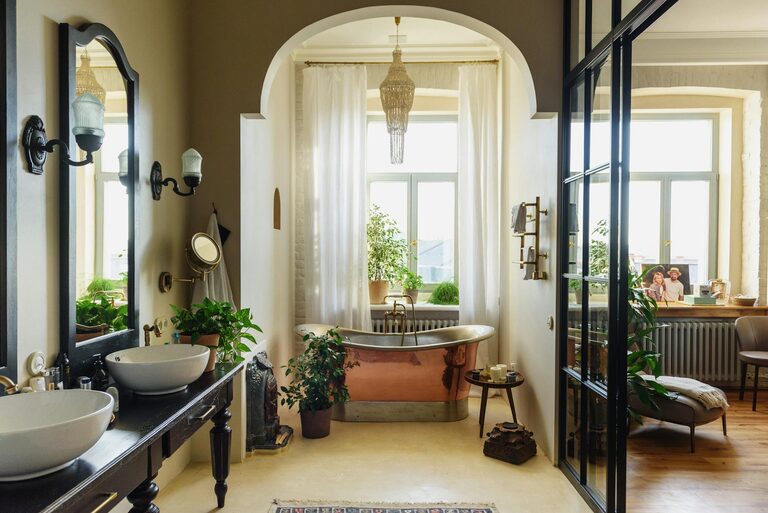
Bringing plants into your home is one of the simplest and most effective ways to refresh your space. Not only do plants add natural beauty and color, but they also improve air quality and boost your mood. Whether you’re a seasoned plant parent or new to indoor gardening, this guide will help you transform your home into a green oasis.
Why Choose Plants to Refresh Your Home?
Plants do more than just look nice. They provide various benefits such as:
– Purifying the air: Many plants help remove toxins and improve indoor air.
– Boosting mood and productivity: Greenery has been shown to reduce stress and increase focus.
– Adding texture and color: Plants add natural elements that brighten any room.
– Creating a cozy atmosphere: The presence of plants makes space feel welcoming and alive.
If you want to bring these positive changes into your home, here’s how to do it effectively.
Step 1: Assess Your Space and Lighting
Before buying plants, consider where you want to place them.
Evaluate Lighting Conditions
Plants thrive best when matched to the right light:
– Bright, direct sunlight: South or west-facing windows
– Indirect or moderate light: North or east-facing windows
– Low light: Hallways, bathrooms, or rooms with limited natural light
Choosing the right plants for your lighting will help keep them healthy and vibrant.
Consider Space and Style
Think about:
– The size of the room and available surface space
– Whether you want hanging plants, tabletop plants, or large floor specimens
– Your home’s décor style—do you prefer modern, minimalist, rustic, or bohemian vibes?
Step 2: Select Suitable Plants
Here are some popular houseplants categorized by light needs and ease of care:
Plants for Bright Light
– Succulents: Aloe Vera, Echeveria
– Fiddle Leaf Fig: Popular large-leaf plant
– Jade Plant
Plants for Medium or Indirect Light
– Snake Plant: Tolerant to some neglect
– Pothos: Trailing vine, easy to grow
– Peace Lily: Adds white blooms and purifies air
Plants for Low Light
– ZZ Plant: Can survive in dim light and is low maintenance
– Cast Iron Plant: Hard to kill and tolerant
– Philodendron: Great heart-shaped leaves
Step 3: Arrange Your Plants Creatively
Placement matters for both aesthetics and plant health.
Group Plants by Size and Shape
Arrange taller plants in corners or near walls with shorter plants in front. Mixing textures and leaf shapes creates visual interest.
Use Decorative Pots and Planters
Choose pots that complement your décor. Consider materials like ceramic, terracotta, or woven baskets. Matching or contrasting colors can enhance the overall look.
Try Different Displays
– Shelves: Perfect for small pots and trailing plants
– Plant stands: Raise your plants for better visibility
– Hanging planters: Great for adding greenery without taking up floor space
– Windowsills: Ideal for sun-loving plants
Step 4: Care and Maintenance Tips
Keeping plants healthy ensures your refreshed home stays vibrant.
Watering
– Avoid overwatering; most houseplants prefer the soil to dry out between waterings.
– Use pots with drainage holes.
– Check plant-specific watering needs.
Feeding
– Use a balanced liquid fertilizer during the growing season (spring and summer).
– Follow package instructions to avoid overfeeding.
Cleaning and Pruning
– Dust leaves periodically to keep them healthy.
– Trim yellow or dead leaves to encourage growth.
Monitor Pests
– Watch for signs of pests like aphids or spider mites.
– Use natural remedies or insecticidal soap if needed.
Step 5: Add Personal Touches
Enhance your plant display with a few creative ideas:
– Place a small plant on your desk or nightstand.
– Create a mini indoor herb garden in your kitchen.
– Incorporate plant-themed decor like botanical prints or green cushions.
– Use stones or moss on top of the soil for decoration.
Final Thoughts
Refreshing your home with plants is a rewarding and enjoyable project. With the right plant choices and care, you’ll create a lively, healthier environment. Start small if you’re new, and gradually build your indoor garden to suit your style. Your home will feel brighter, fresher, and more inviting.
Happy planting!